
Monthly Archives

May 2025

Biometric Authentication: The Future of Secure Identity

By Technology & Innovation

In a world where digital interactions are the norm, the need for reliable, secure, and seamless identity verification has never been greater. Enter biometric authentication—a technology that’s transforming the landscape of cybersecurity and digital access.

🔐 What Is Biometric Authentication?
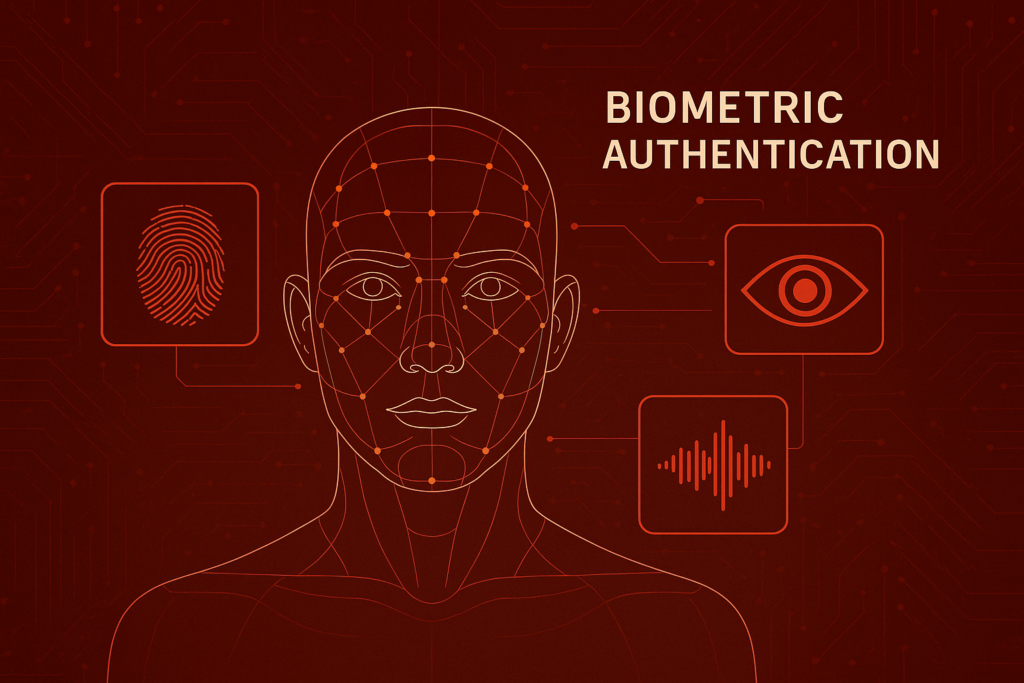
Biometric authentication uses unique biological traits—such as fingerprints, facial recognition, iris scans, or voice patterns—to verify identity. Unlike passwords or PINs, biometrics are nearly impossible to replicate, making them a cornerstone of modern security systems.

🚀 Why It Matters Today
Traditional authentication methods are increasingly vulnerable to breaches, phishing, and identity theft. Biometric systems offer a more secure, user-friendly alternative, enabling fast access while reducing risk. From unlocking smartphones to securing enterprise systems, biometrics is powering a new age of trust.

💡 How Businesses Benefit

  • Enhanced Security: Protect systems with virtually unforgeable credentials

  • Improved UX: Faster login, no need to remember passwords

  • Scalability: Easily integrated into web, mobile, and enterprise environments

  • Compliance: Helps meet data protection and privacy regulations

🔍 Use Cases

  • Mobile banking apps

  • Healthcare access systems

  • Smart workplaces & buildings

  • e-Governance and voting

  • Secure eCommerce transactions

🌐 At AVIERA LABS, we help businesses integrate cutting-edge biometric systems that are secure, scalable, and aligned with their growth goals. The future of identity is personal—and it’s here.


#BiometricAuthentication #CyberSecurity #DigitalIdentity #TechInnovation #DataPrivacy #SecureAccess #IdentityVerification #FutureTech #AvieraLabs #AI #MachineLearning #EnterpriseSecurity #UserExperience

Revolutionizing Logistics with Predictive Analytics

By Technology & Innovation

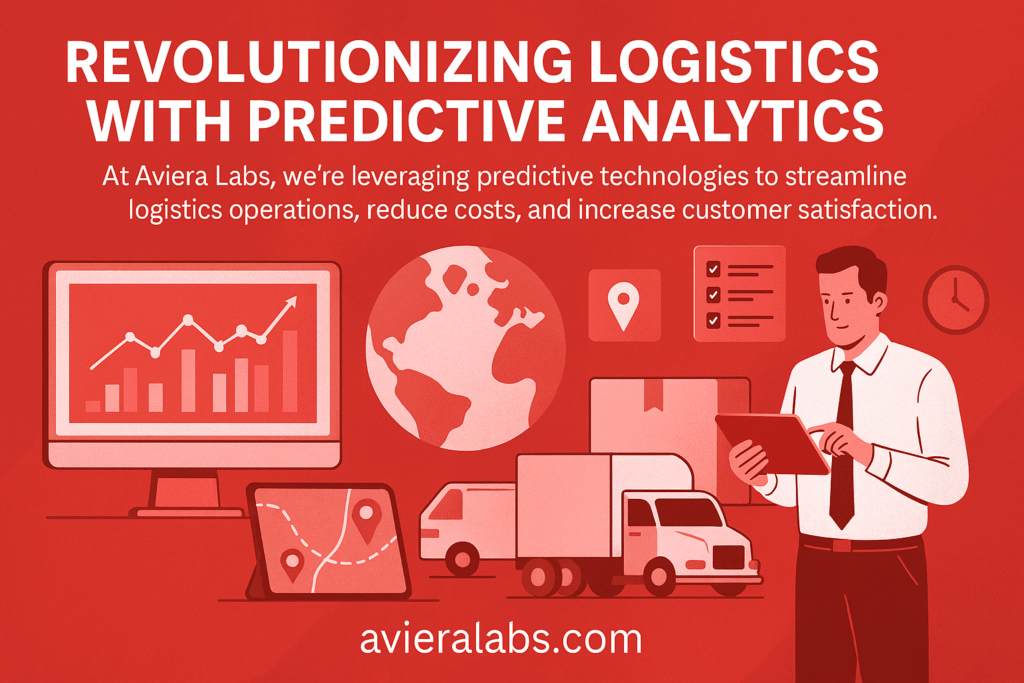
In today’s fast-moving global economy, logistics is no longer just about moving goods—it’s about moving smart. Predictive analytics, powered by machine learning and data science, is transforming the logistics sector from reactive to proactive.

At AVIERA LABS, we’re leveraging predictive technologies to help logistics companies streamline operations, reduce costs, and increase customer satisfaction. By analyzing historical data, weather patterns, fuel costs, and route efficiency, we can forecast delays, optimize delivery schedules, and minimize waste.

🔹 Benefits of Predictive Analytics in Logistics:

  • Real-time visibility into supply chains

  • Accurate demand forecasting

  • Reduced operational downtime

  • Enhanced fleet utilization and routing

This innovation isn’t just improving efficiency—it’s reshaping how companies think about logistics, making it more sustainable and responsive.

🚚 We believe the future of logistics is intelligent, data-driven, and agile—and we’re helping our clients lead that future.

Visit avieralabs.com to see how we can help transform your logistics operations.

#AvieraLabs #PredictiveAnalytics #SmartLogistics #Innovation #DigitalTransformation

Edge Computing: Bringing Intelligence Closer to the Source

By Technology & Innovation

Introduction

As digital systems generate more data than ever, traditional cloud computing faces challenges like latency, bandwidth, and real-time processing. Edge computing emerges as a game-changing solution by processing data closer to where it is created—at the edge of the network.


What is Edge Computing?

Edge computing is a distributed computing model where data processing and storage occur near the source of data generation, such as IoT devices, sensors, or mobile endpoints, instead of relying solely on centralized cloud servers.


Why Edge Matters

  • Reduced Latency: Real-time responsiveness critical for applications like autonomous vehicles and remote surgery.

  • Bandwidth Efficiency: Less data needs to travel to the cloud, conserving network resources.

  • Improved Security: Keeping sensitive data local helps reduce exposure to breaches.

  • Reliability: Systems can function even with intermittent cloud connectivity.


Key Applications

  • Smart Cities: Real-time traffic management, surveillance, and energy optimization.

  • Industrial IoT: Monitoring and controlling machinery on-site in manufacturing plants.

  • Healthcare: Patient monitoring devices that analyze and respond instantly.

  • Retail: Intelligent inventory tracking and customer analytics at the store level.


Future Outlook

As 5G connectivity expands, edge computing will become even more powerful, enabling ultra-fast communication between devices and servers. Coupled with AI at the edge, expect a surge in intelligent applications across every sector.


Conclusion

Edge computing is not just a trend—it’s the backbone of tomorrow’s digital ecosystem. By combining speed, efficiency, and intelligence, it’s redefining how we process and act on data.


🔗 Explore the edge of innovation with Aviera Labs | Visit avieralabs.com

#EdgeComputing #IoT #FutureTech #Innovation #AvieraLabs #SmartSolutions

Biometric Authentication: The Future of Secure Identity

By Technology & Innovation

Introduction

In an increasingly digital world, the need for secure and seamless authentication is more critical than ever. Traditional passwords are prone to theft, forgetfulness, and breaches. Enter biometric authentication—a revolutionary technology using unique physical and behavioral traits to verify identity.


What is Biometric Authentication?

Biometric authentication involves the use of biological data—such as fingerprints, facial recognition, iris scans, voice, or even behavioral patterns like typing rhythm—to confirm identity.


Why It’s Game-Changing

  • Uniqueness: Biometrics are nearly impossible to replicate.

  • Convenience: No need to remember passwords or carry tokens.

  • Speed: Authentication is instantaneous, improving user experience.

  • Security: Reduces the risk of identity theft and phishing.


Real-World Applications

  • Smartphones & Devices: Unlock your phone with your fingerprint or face.

  • Banking: Facial and voice recognition for mobile banking and ATMs.

  • Healthcare: Secure patient identification and data protection.

  • Border Control: Facial and iris scans for fast and safe entry.


The Future of Biometric Tech

With advances in AI and deep learning, biometric systems are becoming faster, more accurate, and more adaptive. Expect multi-modal authentication, where several traits are combined, and deeper integration into smart cities, wearables, and IoT systems.


Final Thoughts

Biometric authentication is more than a trend—it’s a foundation for the next generation of digital trust. As privacy and security continue to be top concerns, biometrics offer a powerful solution with both convenience and protection.


🔗 Stay secured with innovation – Visit avieralabs.com and follow Aviera Labs

#BiometricAuthentication #DigitalSecurity #Innovation #AvieraLabs #FutureOfTech #CyberSecurity

AI and Machine Learning: Transforming the Digital Ecosystem

By Technology & Innovation

Introduction

Artificial Intelligence (AI) and Machine Learning (ML) are no longer emerging technologies—they are the driving forces behind the next wave of digital transformation. From automation and personalization to predictive analytics, these technologies are shaping every industry at an unprecedented pace.


Understanding AI and ML

  • Artificial Intelligence refers to machines designed to simulate human intelligence processes like learning, reasoning, and problem-solving.

  • Machine Learning is a subset of AI that enables systems to learn from data, identify patterns, and make decisions without being explicitly programmed.


Real-World Applications

  • Healthcare: AI-driven diagnostics and predictive modeling for patient care.

  • Finance: Fraud detection, algorithmic trading, and customer service bots.

  • Retail: Personalized recommendations, dynamic pricing, and demand forecasting.

  • Manufacturing: Predictive maintenance and smart automation.

  • Marketing: Audience targeting, content generation, and sentiment analysis.


Benefits of AI and ML

  • Efficiency & Automation: Reduces human effort in repetitive tasks.

  • Improved Accuracy: Enhances decision-making based on vast datasets.

  • Scalability: Solutions grow with your data and adapt to evolving business needs.

  • Personalization: Tailored user experiences drive customer satisfaction and engagement.


Challenges and Considerations

  • Data Privacy: Managing ethical use and protection of data.

  • Bias and Fairness: Ensuring algorithms are trained on representative, inclusive datasets.

  • Regulatory Compliance: Navigating AI governance frameworks.


The Road Ahead

As AI and ML continue to mature, we can expect autonomous systems, natural language interfaces, and AI-driven creativity to reshape industries. The key lies in responsible deployment and continuous innovation.


🔗 Explore the future with Aviera Labs – Your partner in smart digital solutions. Visit avieralabs.com and follow Aviera Labs on Facebook

#AI #MachineLearning #DigitalInnovation #AvieraLabs #FutureTech #TechTransformation

Battery Technology: Powering the Future of Energy Solutions

By Technology & Innovation

Introduction

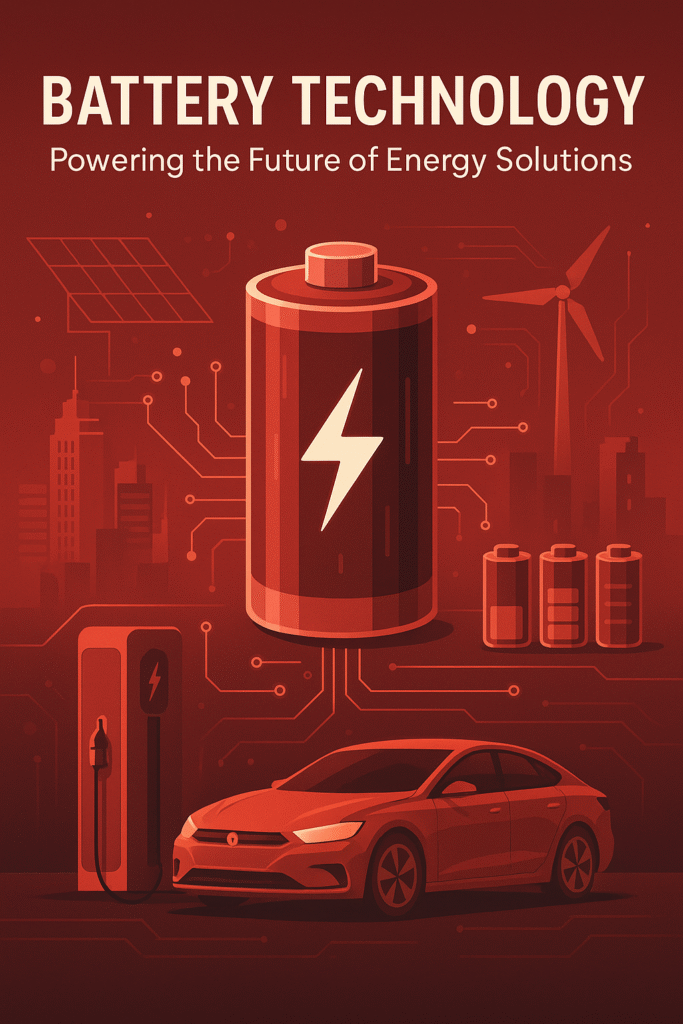
As the world races toward clean energy, battery technology has emerged as the silent engine driving progress. From electric vehicles to renewable energy storage, the evolution of batteries is revolutionizing how we generate, store, and use electricity.


What is Battery Technology?

Battery technology involves the development and improvement of devices that store and release electrical energy through chemical reactions. These systems vary from small-scale batteries in smartphones to large-scale energy storage units supporting entire power grids.


Why Battery Technology Matters

  • Energy Independence: Allows homes and businesses to rely less on the grid by storing renewable energy like solar and wind.

  • EV Expansion: Enables the shift from fossil fuels to electric vehicles by providing longer-lasting, faster-charging batteries.

  • Grid Stability: Balances energy supply and demand, supporting uninterrupted power delivery.

  • Global Access: Brings energy solutions to remote or off-grid locations, promoting economic development.


Breakthroughs in Battery Technology

  • Solid-State Batteries: Offering higher energy density, faster charging, and enhanced safety.

  • Sustainable Materials: Research into lithium-sulfur, sodium-ion, and other alternatives aims to reduce environmental impact.

  • Smart Management Systems: AI-powered battery monitoring improves efficiency and lifespan.


The Future of Battery Innovation

The future points toward cheaper, faster, and more sustainable battery solutions. With heavy investment from automotive and energy sectors, next-gen batteries could lead to breakthroughs in air mobility, renewable infrastructure, and even wearable tech.


Conclusion

Battery technology isn’t just supporting today’s tech—it’s shaping tomorrow’s world. As innovation accelerates, the role of batteries in powering a clean, efficient, and connected future cannot be overstated.


🔗 Stay charged with innovation—Follow Aviera Labs or visit avieralabs.com

#BatteryTechnology #CleanEnergy #Innovation #AvieraLabs #TechForFuture #SustainableTech