Category

Technology & Innovation

Quantum Internet – The Next Revolution in Connectivity

By Technology & Innovation

As we push the boundaries of technology, Quantum Internet emerges as the next game-changer—offering ultra-secure communication, blazing-fast data transmission, and a completely new internet architecture based on quantum mechanics.

🔍 What is Quantum Internet?
It’s a new kind of internet that uses quantum entanglement and quantum key distribution (QKD) to transmit information. Unlike classical networks, data isn’t just encoded in bits—it’s encoded in qubits, enabling next-level encryption and speed.

🔐 Why It Matters:

  • Virtually unhackable communication

  • Instantaneous transmission of encrypted data

  • Enables future quantum cloud computing

  • Will support the quantum AI systems of tomorrow

🌐 Real-World Implications:

  • Governments can share classified data with zero interception risk

  • Financial institutions can process secure transactions

  • Healthcare can protect sensitive patient data

  • Research can connect supercomputers across continents

🧠 The Future is Quantum:
With global efforts from NASA, China, and the EU, we’re inching closer to the Quantum Internet Era—one that will transform industries and redefine digital trust.


#QuantumInternet #QuantumComputing #FutureOfInternet #QKD #TechTrends #CyberSecurity #AI #Innovation #NextGenTech #AvieraLabs
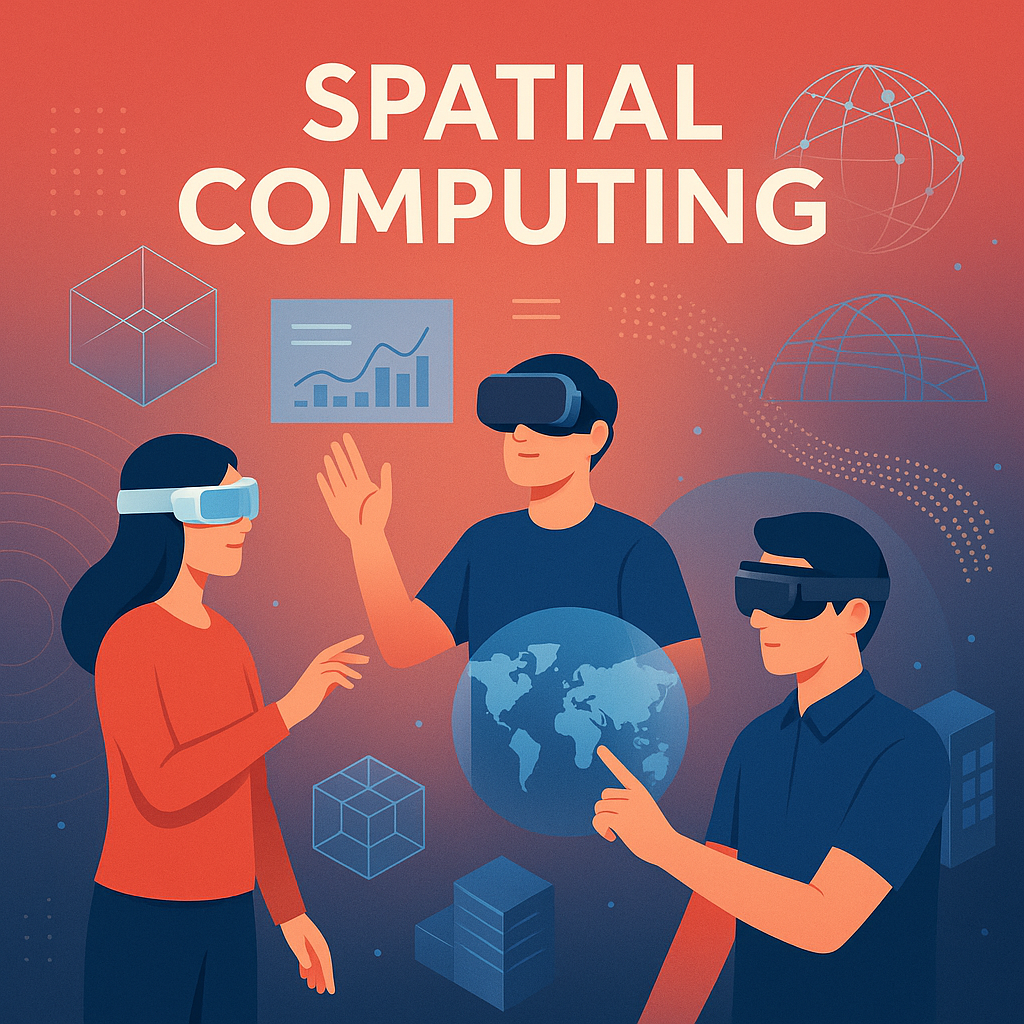
Spatial Computing – The Future of Human-Tech Interaction

By Technology & Innovation

Imagine interacting with your digital world not through screens or keyboards, but through your space—where your movements, gestures, and even voice bring computing to life around you.

Welcome to Spatial Computing—the convergence of augmented reality (AR), virtual reality (VR), artificial intelligence (AI), and Internet of Things (IoT) that allows humans to interact with digital content in 3D space.

🔍 What Is It?
Spatial computing enables devices to understand and respond to the physical environment, allowing digital information to be embedded and manipulated in real-world surroundings.

🚀 Why It Matters:

  • Enhances user experience through immersive environments

  • Powers future interfaces—think smart glasses, holograms, and AR workspaces

  • Revolutionizes industries like healthcare, architecture, education, and manufacturing

💡 Examples in Action:

  • Doctors using AR for real-time surgical guidance

  • Architects visualizing 3D models in physical space

  • Retail using spatial interfaces for virtual shopping

🔮 The Future:
With Apple Vision Pro and Microsoft’s HoloLens leading the way, spatial computing is becoming a foundational layer of the post-smartphone era.

👉 Stay ahead. Embrace the spatial revolution.


#SpatialComputing #AugmentedReality #TechnologyInnovation #FutureOfWork #ImmersiveTech #AI #AR #VR #AvieraLabs #DigitalTransformation

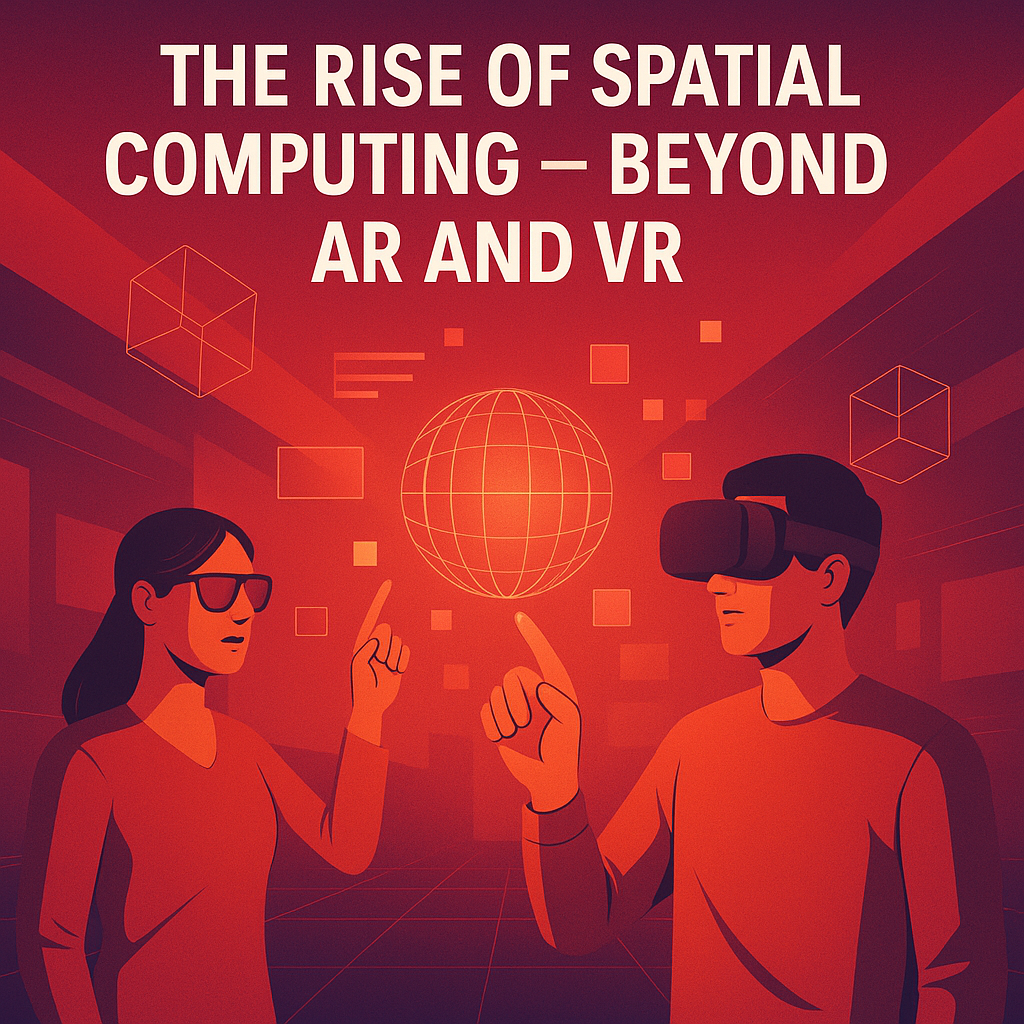
The Rise of Spatial Computing – Beyond AR and VR

By Technology & Innovation

The Next Leap in Human-Computer Interaction
Spatial computing is reshaping how we interact with digital and physical environments. It’s not just about AR/VR anymore—it’s about making the digital world exist and respond in 3D space.

🔍 What is Spatial Computing?
Spatial computing blends sensors, cameras, and AI with real-world spaces. It allows computers to track, understand, and respond to human movement and surroundings in real time.

🔧 Real-World Applications:

  • Healthcare: Precision-guided surgeries with real-time data overlays.

  • Retail: Immersive shopping experiences from your living room.

  • Manufacturing: Hands-free assembly instructions in augmented spaces.

  • Training & Education: Real-world simulations for high-stakes learning.

💡 Why It Matters
It’s not just another tech buzzword. Spatial computing brings us closer to natural, seamless interfaces that adapt to you. Think Apple Vision Pro, Meta’s Reality Labs, and Microsoft’s HoloLens—all leading this shift.

🔮 The Future is Spatial.
At AVIERA LABS, we’re excited by the potential of spatial computing to power the next generation of enterprise solutions, immersive applications, and interactive environments.

#SpatialComputing #AR #VR #MixedReality #FutureOfTech #DigitalTransformation #Innovation #AvieraLabs #TomorrowTech #AI #HumanComputerInteraction

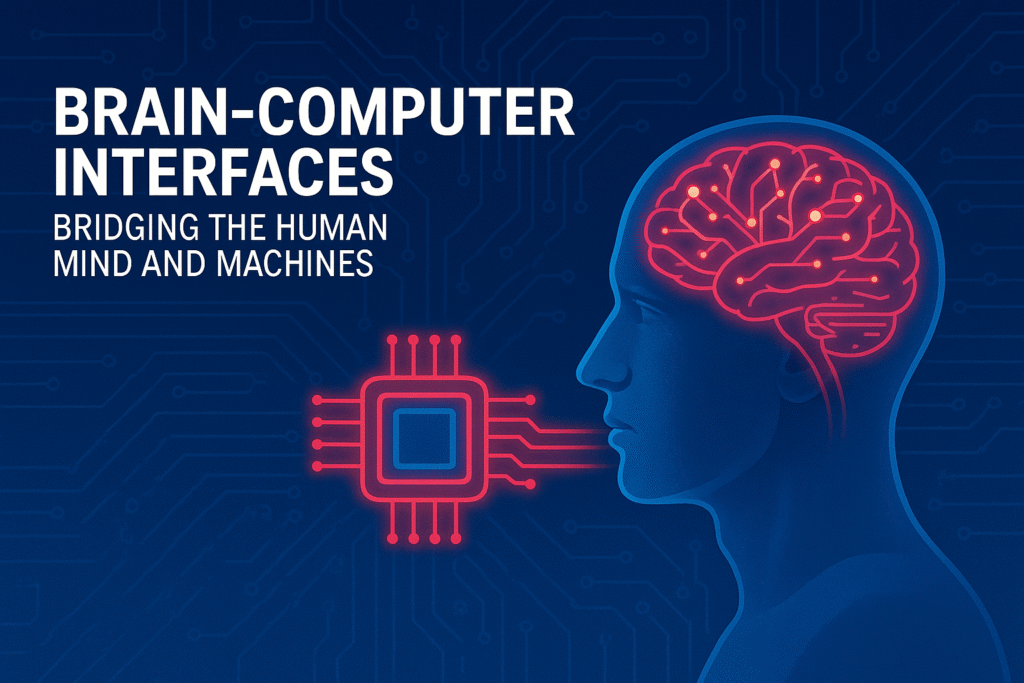
Brain-Computer Interfaces (BCI): Bridging the Human Mind and Machines

By Technology & Innovation

The future of human-computer interaction is already taking shape—and it’s happening inside your brain. Brain-Computer Interfaces (BCIs) are revolutionizing how we interact with digital systems, bypassing traditional input methods like keyboards and screens.

🚀 What is BCI?
BCI enables direct communication between the human brain and external devices. By translating brain signals into digital commands, BCIs can control computers, prosthetics, and even restore lost senses.

💡 Why it matters:

  • Healthcare: Empowering people with disabilities through mobility and communication tools.

  • Neuroenhancement: Expanding cognitive functions and memory retention.

  • Gaming & Immersive Tech: Creating seamless, thought-driven user experiences.

  • Security & Authentication: Mindprint recognition for next-gen biometric security.

🌍 The possibilities are vast—from medical breakthroughs to cognitive augmentation. BCI isn’t just about the tech; it’s about unlocking human potential.

Are we ready to connect our minds with machines?

#BrainComputerInterface #BCI #NeuroTech #FutureOfTech #HumanAugmentation #Innovation #DeepTech #AvieraLabs #EmergingTech #ScienceAndTechnology

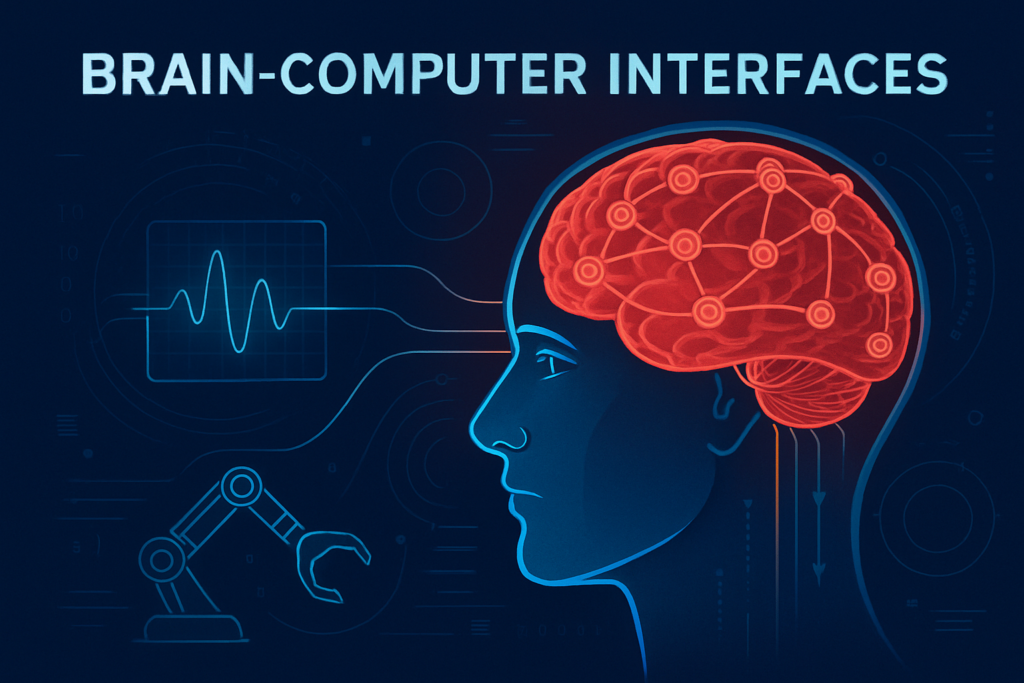
Brain-Computer Interfaces: Merging Mind and Machine

By Technology & Innovation

Imagine controlling devices with your thoughts, or restoring mobility to individuals with paralysis—this is no longer science fiction.

Brain-Computer Interfaces (BCIs) are emerging at the intersection of neuroscience, AI, and hardware engineering, opening up a new era of human-machine interaction.

🔬 What Are BCIs?
They are systems that enable direct communication between the brain and external devices—bypassing traditional input methods like keyboards, touch, or speech.

🚀 Applications Making Waves

  • Neuroprosthetics for mobility restoration

  • Mind-controlled robotics

  • Enhanced cognitive capabilities

  • Neurogaming & immersive VR experiences

  • Mental health monitoring & therapy tools

💡 At AVIERA LABS, we’re tracking advancements in BCIs, integrating neural data processing and AI for potential breakthroughs in accessibility and immersive tech.

The future is where thought becomes action—literally.


#BrainComputerInterface #NeuroTech #FutureOfTech #AvieraLabs #Neuroscience #AI #TechInnovation #MindControl #HumanMachineInterface #BCI #DeepTech #AccessibilityInnovation

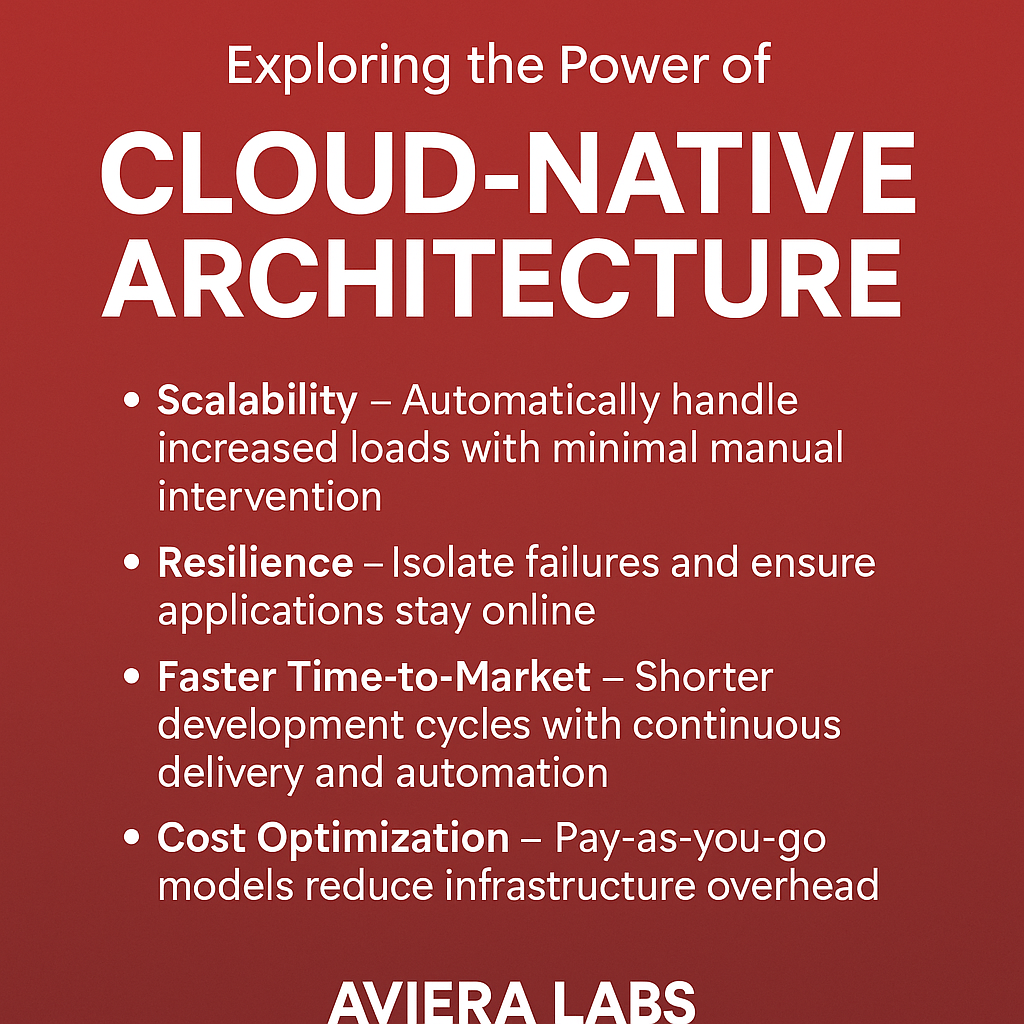
Exploring the Power of Cloud-Native Architecture: The Backbone of Modern Applications

By Technology & Innovation

As businesses move rapidly toward digital transformation, cloud-native architecture has emerged as the game-changer—helping companies build, scale, and run applications seamlessly across dynamic environments.

💡 What is Cloud-Native Architecture?
Cloud-native refers to building and running applications that exploit the advantages of the cloud computing delivery model. It’s about speed, agility, and resilience—leveraging microservices, containers, Kubernetes, DevOps, and CI/CD pipelines.

Key Benefits:

Scalability – Automatically handle increased loads with minimal manual intervention.
Resilience – Isolate failures and ensure applications stay online.
Faster Time-to-Market – Shorter development cycles with continuous delivery and automation.
Cost Optimization – Pay-as-you-go models reduce infrastructure overhead.

🎯 At Aviera Labs, we architect and implement cloud-native solutions that help our clients stay ahead of the curve. Whether you’re building a new platform or modernizing a legacy system, our approach ensures flexibility, performance, and growth.

🔗 Learn more: https://avieralabs.com


#CloudNative #DevOps #DigitalTransformation #SoftwareArchitecture #Microservices #AvieraLabs #ScalableSolutions #CloudComputing #FutureTech

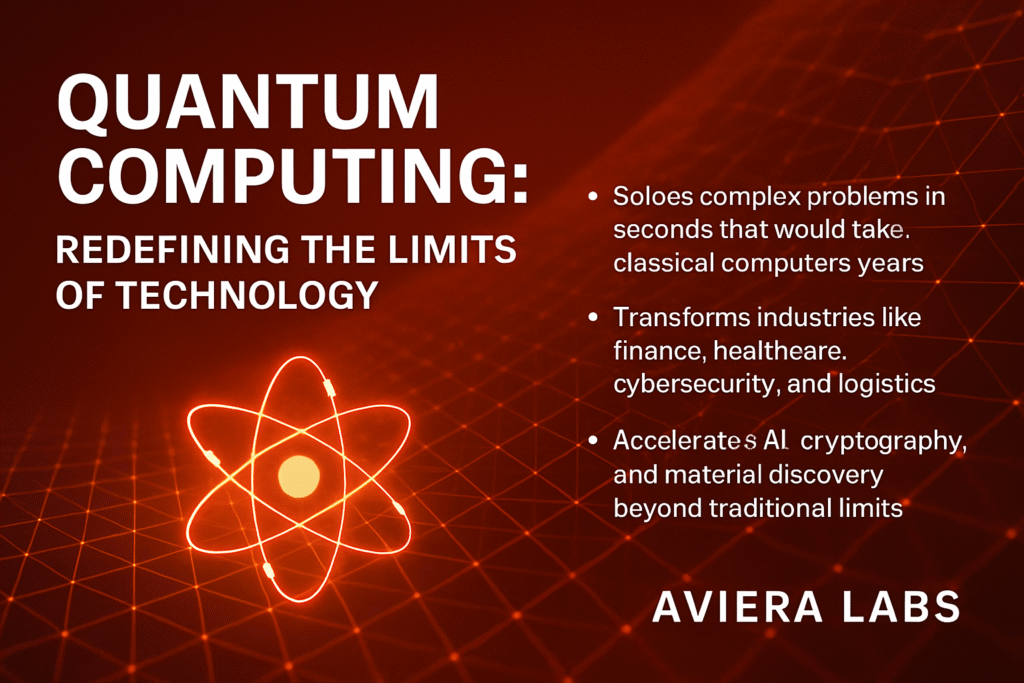
Quantum Computing: Redefining the Limits of Technology

By Technology & Innovation

At Aviera Labs, we believe the future isn’t just fast — it’s quantum. While classical computing has powered the digital revolution, quantum computing is set to redefine what’s possible.

⚛️ Why Quantum Computing Matters

  • Solves complex problems in seconds that would take classical computers years

  • Transforms industries like finance, healthcare, cybersecurity, and logistics

  • Accelerates AI, cryptography, and material discovery beyond traditional limits

We’re actively exploring how quantum principles can be integrated into practical, scalable business solutions. From theoretical innovation to real-world applications — we’re bridging today with tomorrow.

🚀 Are you future-ready? Let’s build it together.
🔗 Learn more: microsite.avieralabs.com/

#QuantumComputing #TechInnovation #DigitalTransformation #AvieraLabs #FutureTech #HighPerformanceComputing #EmergingTech

Biometric Authentication: The Future of Secure Identity

By Technology & Innovation

In a world where digital interactions are the norm, the need for reliable, secure, and seamless identity verification has never been greater. Enter biometric authentication—a technology that’s transforming the landscape of cybersecurity and digital access.

🔐 What Is Biometric Authentication?
Biometric authentication uses unique biological traits—such as fingerprints, facial recognition, iris scans, or voice patterns—to verify identity. Unlike passwords or PINs, biometrics are nearly impossible to replicate, making them a cornerstone of modern security systems.

🚀 Why It Matters Today
Traditional authentication methods are increasingly vulnerable to breaches, phishing, and identity theft. Biometric systems offer a more secure, user-friendly alternative, enabling fast access while reducing risk. From unlocking smartphones to securing enterprise systems, biometrics is powering a new age of trust.

💡 How Businesses Benefit

  • Enhanced Security: Protect systems with virtually unforgeable credentials

  • Improved UX: Faster login, no need to remember passwords

  • Scalability: Easily integrated into web, mobile, and enterprise environments

  • Compliance: Helps meet data protection and privacy regulations

🔍 Use Cases

  • Mobile banking apps

  • Healthcare access systems

  • Smart workplaces & buildings

  • e-Governance and voting

  • Secure eCommerce transactions

🌐 At AVIERA LABS, we help businesses integrate cutting-edge biometric systems that are secure, scalable, and aligned with their growth goals. The future of identity is personal—and it’s here.


#BiometricAuthentication #CyberSecurity #DigitalIdentity #TechInnovation #DataPrivacy #SecureAccess #IdentityVerification #FutureTech #AvieraLabs #AI #MachineLearning #EnterpriseSecurity #UserExperience

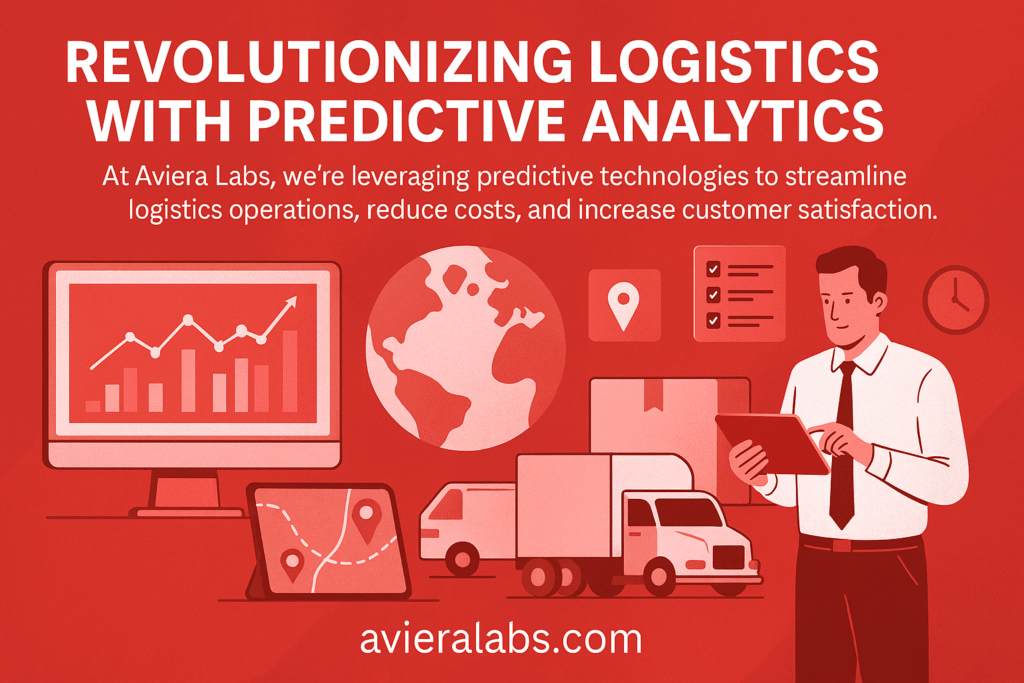
Revolutionizing Logistics with Predictive Analytics

By Technology & Innovation

In today’s fast-moving global economy, logistics is no longer just about moving goods—it’s about moving smart. Predictive analytics, powered by machine learning and data science, is transforming the logistics sector from reactive to proactive.

At AVIERA LABS, we’re leveraging predictive technologies to help logistics companies streamline operations, reduce costs, and increase customer satisfaction. By analyzing historical data, weather patterns, fuel costs, and route efficiency, we can forecast delays, optimize delivery schedules, and minimize waste.

🔹 Benefits of Predictive Analytics in Logistics:

  • Real-time visibility into supply chains

  • Accurate demand forecasting

  • Reduced operational downtime

  • Enhanced fleet utilization and routing

This innovation isn’t just improving efficiency—it’s reshaping how companies think about logistics, making it more sustainable and responsive.

🚚 We believe the future of logistics is intelligent, data-driven, and agile—and we’re helping our clients lead that future.

Visit avieralabs.com to see how we can help transform your logistics operations.

#AvieraLabs #PredictiveAnalytics #SmartLogistics #Innovation #DigitalTransformation

Edge Computing: Bringing Intelligence Closer to the Source

By Technology & Innovation

Introduction

As digital systems generate more data than ever, traditional cloud computing faces challenges like latency, bandwidth, and real-time processing. Edge computing emerges as a game-changing solution by processing data closer to where it is created—at the edge of the network.


What is Edge Computing?

Edge computing is a distributed computing model where data processing and storage occur near the source of data generation, such as IoT devices, sensors, or mobile endpoints, instead of relying solely on centralized cloud servers.


Why Edge Matters

  • Reduced Latency: Real-time responsiveness critical for applications like autonomous vehicles and remote surgery.

  • Bandwidth Efficiency: Less data needs to travel to the cloud, conserving network resources.

  • Improved Security: Keeping sensitive data local helps reduce exposure to breaches.

  • Reliability: Systems can function even with intermittent cloud connectivity.


Key Applications

  • Smart Cities: Real-time traffic management, surveillance, and energy optimization.

  • Industrial IoT: Monitoring and controlling machinery on-site in manufacturing plants.

  • Healthcare: Patient monitoring devices that analyze and respond instantly.

  • Retail: Intelligent inventory tracking and customer analytics at the store level.


Future Outlook

As 5G connectivity expands, edge computing will become even more powerful, enabling ultra-fast communication between devices and servers. Coupled with AI at the edge, expect a surge in intelligent applications across every sector.


Conclusion

Edge computing is not just a trend—it’s the backbone of tomorrow’s digital ecosystem. By combining speed, efficiency, and intelligence, it’s redefining how we process and act on data.


🔗 Explore the edge of innovation with Aviera Labs | Visit avieralabs.com

#EdgeComputing #IoT #FutureTech #Innovation #AvieraLabs #SmartSolutions